Perimenopause and Menopause Insomnia: The Complete Evidence-Based Guide for Women 40+

Perimenopause and menopause insomnia is real, common, and physiologic — not weakness. Falling estrogen and progesterone disrupt sleep architecture, temperature regulation, and mood chemistry, causing early waking, night sweats, and middle-of-the-night anxiety. The strongest evidence-based fixes are CBT-I, cool sleep environments, targeted supplements like magnesium glycinate, and, for the right women, hormone therapy discussed with a menopause-trained clinician.
I came to all of this the hard way, the year my own sleep fell apart. So I've read it twice — once as research, and once at 3 a.m., lying there wondering what on earth was happening to me.
If your sleep started unraveling somewhere between 42 and 55 and nothing on paper explains it — same house, same partner, same job — you are not imagining things. You are living through the single most under-discussed reason women lose sleep in adulthood: the menopause transition.
This guide gathers what the research actually says. Not the wellness-industrial version, not the pharmaceutical version, not the "have you tried lavender" version. The scientific version, translated. If it sounds practical rather than dramatic, that's on purpose. Panic doesn't help you sleep.
What's actually happening to your sleep during perimenopause and menopause?
Two hormones do most of the damage: estrogen and progesterone. During the reproductive years, both rise and fall in a rhythm that quietly supports sleep. In perimenopause, that rhythm becomes erratic and eventually flatlines. Three specific things happen when it does:
- Sleep architecture shifts. Progesterone has a natural sedative effect through its interaction with GABA-A receptors, the same brain system targeted by anti-anxiety medications. When progesterone drops, sleep becomes lighter and more fragmented.
- Thermoregulation breaks. Estrogen helps the hypothalamus — your body's thermostat — keep a stable core temperature at night. As estrogen falls, that thermostat becomes hair-trigger. The result is hot flashes and night sweats, which yank you out of deep sleep repeatedly. (See our guide to natural remedies for menopause night sweats and insomnia, plus how to stay cool at night.)
- Cortisol and circadian timing drift. Estrogen also modulates the cortisol curve. As it falls, cortisol tends to spike earlier in the morning, which is a large part of why so many midlife women describe waking wide-eyed at 3 or 4 a.m., unable to return to sleep.
None of this is a character flaw. It is a documented, physiologic cascade — and once you understand the mechanism, the interventions that follow start to make sense.
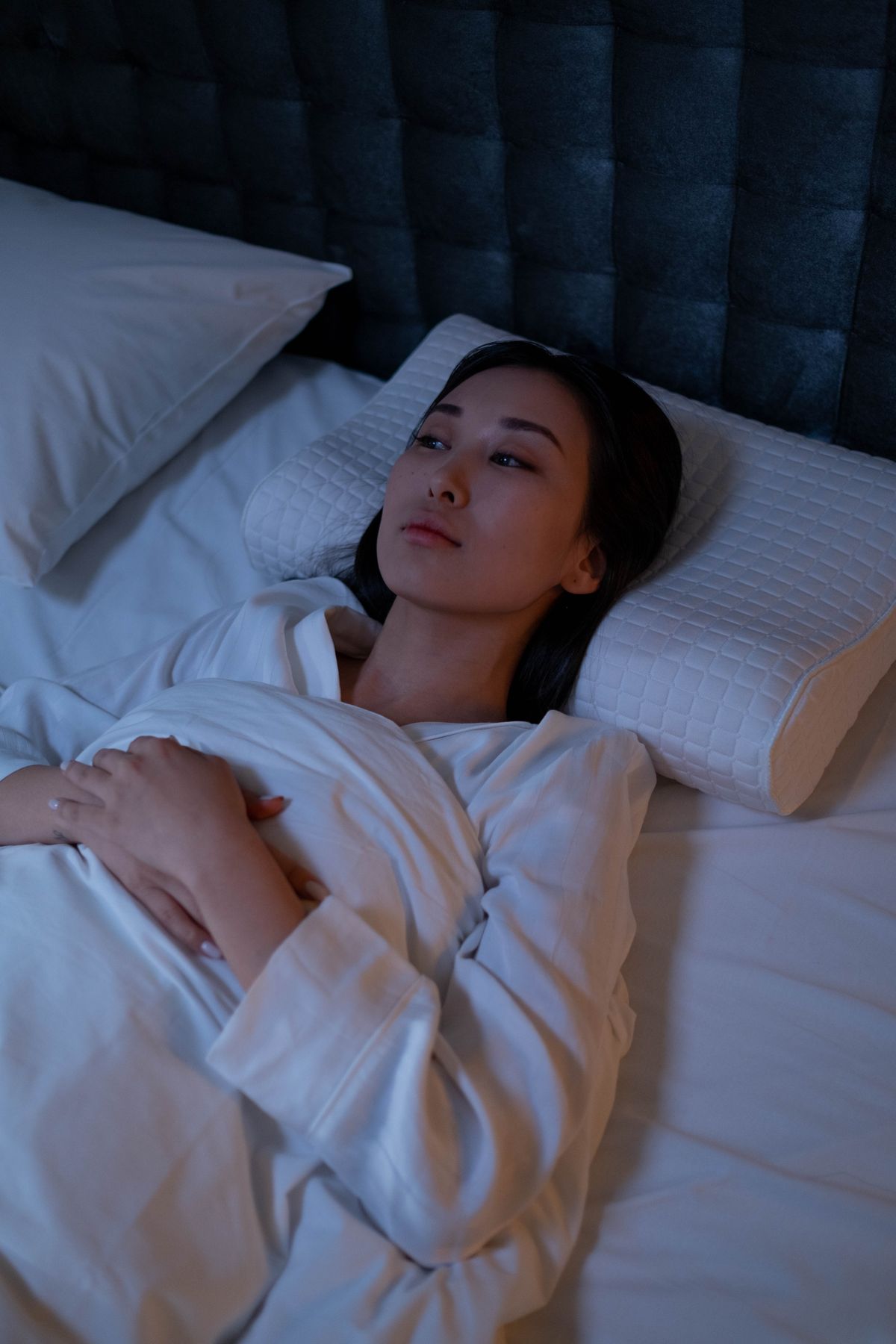
How common is menopausal insomnia — and why didn't anyone warn you?
Sleep is the single most frequent complaint women bring to menopause clinics, ahead of hot flashes on the day-to-day misery scale.
The SWAN study — a long-running, multi-ethnic cohort of more than 3,000 American women — is the single best data source on this. SWAN followed women through their 40s and 50s and confirmed what generations of women already knew: sleep problems are not "just aging." They cluster around the transition. They ease for many women 5 to 7 years after the final period. And they are consistently underdiagnosed.
Why the silence? Historically, women's midlife symptoms have been under-researched, under-taught in medical schools, and often dismissed as stress or mood. That is changing — slowly — but you are almost certainly ahead of your primary care physician on this topic. That's not a criticism of your doctor. It is a reason to arrive to the appointment prepared.
What are the four sleep problems midlife women actually report?
In the research literature, menopausal sleep disruption isn't one thing. It's usually one or a combination of these four patterns:
1. Trouble falling asleep (sleep-onset insomnia)
You get into bed tired, but your mind won't stop — the classic "tired but wired" paradox of menopause fatigue. Sleep-onset insomnia in midlife is often driven by rising evening cortisol, the loss of progesterone's calming effect, and — frankly — life. Aging parents, teenagers, career pressure, and body changes converge in your 40s and 50s. Your nervous system has more to process than it did a decade ago.
2. Waking in the middle of the night (sleep-maintenance insomnia)
This is the classic 3 a.m. wake-up. You fall asleep fine, then jolt awake in the small hours — sometimes with heat, sometimes with a racing mind (see menopause insomnia and anxiety at night), sometimes for no obvious reason at all. This is the pattern most tightly linked to hormone shifts and hot flashes. There is a whole strategy for it, which we cover in the 3 a.m. wake-up guide.
3. Early morning waking
You wake at 4:30 or 5 a.m., long before you meant to, and can't get back. Early waking has a stronger link to the cortisol-rhythm shift and to underlying mood changes. If it's paired with low mood, mention it to your doctor.
4. Non-restorative sleep
You sleep the "right" number of hours but wake up feeling like you barely slept. This is a hallmark of fragmented sleep — often micro-arousals from mild night sweats you don't fully remember, or sometimes untreated sleep apnea, which becomes markedly more common in women after menopause.
What treatments actually work, ranked by evidence?
This is where the noise gets loudest online. Below is what the peer-reviewed literature actually supports, roughly in descending order of evidence strength.
Tier 1: Cognitive Behavioral Therapy for Insomnia (CBT-I)
CBT-I is the first-line treatment for chronic insomnia recommended by the American Academy of Sleep Medicine, and multiple Cochrane systematic reviews confirm it outperforms sleep medications in the long term. (See our deep dive: does CBT-I really work for menopause insomnia?) It's not talk therapy. It's a structured 4- to 8-session protocol that includes:
- Stimulus control: retraining your brain to associate the bed with sleep, not scrolling or lying awake.
- Sleep restriction: counterintuitively spending less time in bed at first, to consolidate fragmented sleep into a solid block.
- Cognitive restructuring: defusing the catastrophic thoughts ("I'll be wrecked tomorrow") that keep the nervous system aroused.
CBT-I works specifically for menopausal women, with several trials showing improvements comparable to those seen in general adult populations. It is available in-person, through digital programs (like Sleepio and Somryst), and increasingly through primary care referral.
Tier 2: Cool sleep environment and behavioral fundamentals
"Sleep hygiene" gets a bad rap because it sounds too simple to matter. It isn't. For a midlife woman with a haywire thermostat, environmental control does real work:
- Bedroom temperature at 60–67°F (16–19°C), per the Sleep Foundation.
- Breathable natural-fiber bedding (linen or cotton) and moisture-wicking sleepwear.
- A consistent wake time, seven days a week — more important than a consistent bedtime.
- Bright morning light within 30 minutes of waking, to anchor your circadian rhythm.
- Regular daytime movement — even a daily walk deepens sleep. (See how exercise helps you sleep during menopause.)
- No alcohol within three hours of bed. Alcohol is the single most reliable trigger for menopausal night sweats. (More on what to eat and avoid in the evening.)

Tier 3: Hormone therapy (for the right woman)
Hormone replacement therapy, or HT, is not prescribed for insomnia alone, but when insomnia is driven by vasomotor symptoms (hot flashes and night sweats), HT often produces dramatic sleep improvement — we cover this in depth in our honest look at whether HRT helps menopause insomnia. The North American Menopause Society (NAMS) 2022 position statement is clear: for symptomatic women under 60 or within 10 years of menopause, the benefit-to-risk profile is favorable for most.
This is a conversation for a menopause-informed clinician — not something to self-prescribe, and not something to fear based on outdated media coverage of the Women's Health Initiative. NAMS maintains a searchable directory of certified menopause practitioners.
Tier 4: Evidence-supported supplements
- Magnesium glycinate (200–400 mg, evening): modest evidence for improved sleep quality, especially in women with restless legs. Glycinate is gentler on the gut than citrate. For a full breakdown of the forms, see our guide to the best magnesium for sleep during menopause.
- Low-dose melatonin (0.3–1 mg, 2–3 hours before bed): best evidence is for adults over 55 whose natural melatonin has declined. Higher doses are not more effective and are associated with more grogginess. For dose, timing and safety, see does melatonin work for menopause insomnia?
- Ashwagandha (300–600 mg, evening): a growing evidence base for stress-related sleep difficulty, with generally good tolerability. For how it compares with valerian, chamomile and other botanicals — and the safety caveats — see our honest guide to herbal supplements for menopause sleep.
Tier 5: Sleep medications
Short-term use of prescription sleep aids can be appropriate, but they don't address the underlying physiology, and dependence is a real concern. The Mayo Clinic's guidance is that pharmacological treatment should generally follow, not replace, behavioral treatment.
What can you actually try tonight?
If reading a guide when you're exhausted is already too much, do these three things tonight. No purchases required.
- Drop the bedroom temperature to 65°F. If you can't control the thermostat, crack a window, kick a leg out of the covers, or aim a small fan across the bed.
- Set your alarm for a fixed wake time seven days a week. Even on weekends. This is the single highest-leverage intervention for a scrambled circadian rhythm.
- If you wake in the small hours and can't return to sleep within 20 minutes, get up. Sit somewhere dim. Read something boring. Come back when you feel drowsy. Lying in bed anxious teaches your brain that bed is a place of arousal, not sleep.
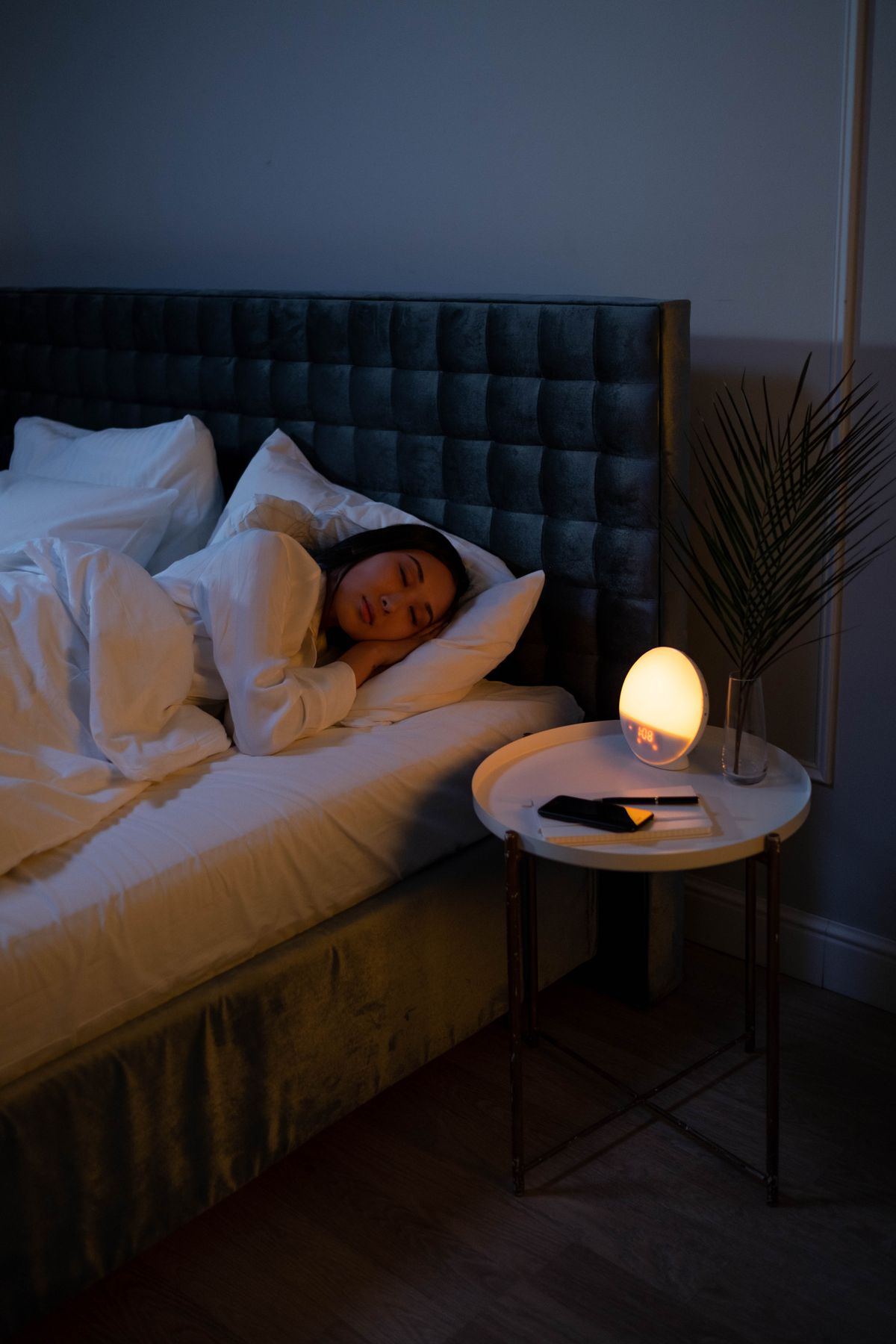
Sleep is not a discipline. It is a physiologic state your body wants to enter. Your job is to remove the obstacles, not to try harder.
When should you talk to a doctor?
Book an appointment if any of the following apply:
- Insomnia three or more nights a week for three months or longer.
- You snore, gasp, or wake unrefreshed regardless of hours slept (screen for sleep apnea).
- Persistent low mood, loss of interest, or anxiety that feels unmanageable.
- Hot flashes intense enough that you're changing your pajamas at night.
- Any chest pain, palpitations, or new heart-rhythm sensations.
Come to that appointment with two weeks of a sleep log — bedtime, wake time, night wakings, and how you felt the next day. It transforms the conversation from "I'm not sleeping" (which every doctor hears) to "here is a specific pattern" (which every doctor can act on).
The bottom line
Menopausal insomnia is common, physiologic, and treatable. It is not a sign that something is fundamentally wrong with you or that you have to accept a decade of bad sleep. Start with a cool room, a fixed wake time, and honest tracking. Layer in CBT-I if it's chronic. Consider hormone therapy with a qualified clinician if hot flashes are the driver. And be patient with yourself — the same body that eventually stopped bleeding will eventually stop waking. Most women, given the right support, sleep well again.

Where to go from here
This guide is the map; each link below goes deeper on one leg of the journey. Start wherever your nights hurt most.
- Understanding your nights: why perimenopause insomnia hits at 45, the "tired but wired" fatigue paradox, and how to fall back asleep at 3 a.m.
- What to try: CBT-I, the best magnesium for sleep, whether melatonin actually works, and herbal supplements compared.
- Cooling & environment: how to stay cool at night, natural remedies for night sweats, foods that help you sleep, and whether caffeine is wrecking your sleep.
- Mind, body & medical: nighttime anxiety, whether a weighted blanket helps, exercise and sleep, whether HRT helps, and how to track your sleep before seeing a doctor.
Frequently asked questions
How long does menopausal insomnia last?
For most women, the worst sleep disruption clusters around the menopause transition and the first years after the final period, with symptoms often easing 5 to 7 years post-menopause, per SWAN follow-up data. Some women have persistent sleep problems that benefit from targeted treatment like CBT-I.
Is menopausal insomnia a form of depression?
No, but the two can worsen each other. Menopausal insomnia has a hormonal, thermoregulatory, and circadian basis. If you also feel persistently sad, hopeless, or lose interest in things you enjoyed, talk to a clinician, because untreated mood changes can amplify sleep problems.
Do supplements like magnesium and melatonin actually work?
Modest but real evidence for both. Magnesium (especially glycinate) may improve sleep quality and nighttime restlessness. Low-dose melatonin (0.3–1 mg, 2–3 hours before bed) can help sleep timing in women 40+, whose natural melatonin production drops with age. Neither is a cure; both work best alongside sleep hygiene, not instead of it.
Is hormone replacement therapy a treatment for insomnia?
HT can substantially improve sleep when insomnia is driven by hot flashes and night sweats, per NAMS. It's not prescribed for insomnia alone, but it's a legitimate discussion with a menopause-informed clinician if vasomotor symptoms are wrecking your nights.
What is CBT-I and why do sleep doctors keep recommending it?
Cognitive Behavioral Therapy for Insomnia is a structured 4- to 8-session therapy that retrains sleep signals through stimulus control, sleep restriction, and reframing anxious thoughts. Multiple Cochrane reviews show it outperforms sleep medications for chronic insomnia in the long term, and it works in menopausal women.
When should I see a doctor about menopause insomnia?
See a clinician if insomnia has lasted more than three nights a week for three months, if it is affecting your safety (driving, work), if you snore loudly or your partner has noticed you stop breathing (possible sleep apnea, which spikes in women after menopause), or if it is paired with low mood or unmanageable anxiety.
Sources cited in this guide
- Kravitz HM, Kazlauskaite R, Joffe H. Sleep, Health, and Metabolism in Midlife Women and Menopause. Sleep Medicine Clinics, 2018. (SWAN Study data.)
- Study of Women's Health Across the Nation (SWAN). swanstudy.org
- The North American Menopause Society (NAMS). 2022 Hormone Therapy Position Statement. menopause.org
- American Academy of Sleep Medicine. Clinical Practice Guideline for the Pharmacologic Treatment of Chronic Insomnia in Adults. aasm.org
- Sleep Foundation. Best Temperature for Sleep. sleepfoundation.org
- Mayo Clinic. Insomnia Treatment: Cognitive Behavioral Therapy Instead of Sleeping Pills. mayoclinic.org
- Cleveland Clinic. Menopause and Sleep Problems. clevelandclinic.org
- National Institute on Aging. Sleep and Aging. nia.nih.gov

Ellen Hayes
Health & Wellness Writer and Researcher
Hi — I'm Ellen. If you're reading this at some ungodly hour because your brain flipped on at 3 a.m. and won't shut off… I get it. I'm right there with you. I'm somewhere in the middle of midlife, deep in perimenopause, and lately sleep and I have a complicated relationship.
I'm not a doctor. I'm not an expert — and I'm never going to talk down to you like one. I'm just a woman who got tired of vague answers ("it's just your age," "try to relax") and decided to actually read the research myself. Then I write it down here, in plain English, the way I'd explain it to a friend over coffee. More about Ellen →