How to Stay Cool at Night During Menopause
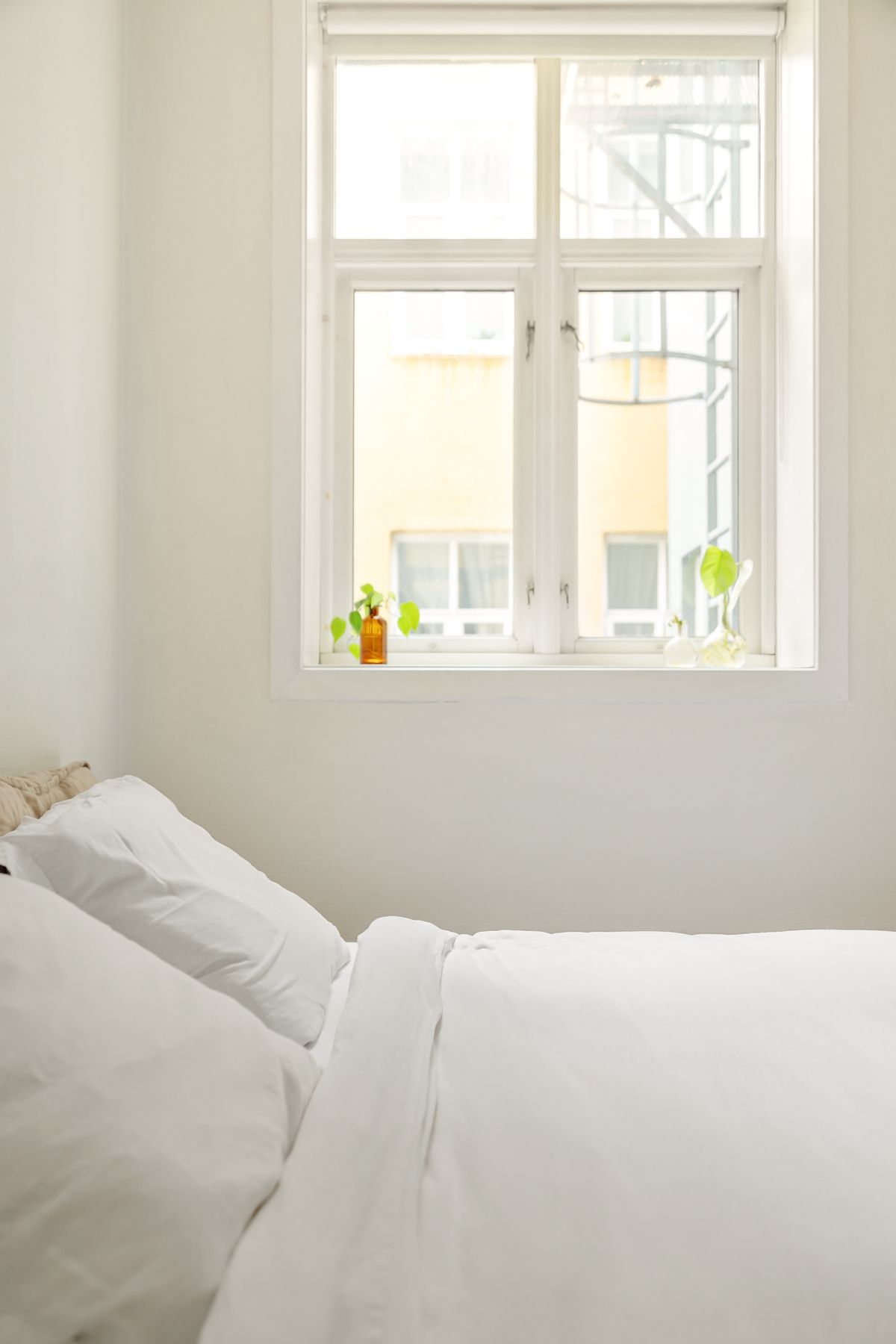
Keep your bedroom around 65°F (18°C), switch to breathable natural-fiber sheets and loose, moisture-wicking sleepwear, and set up a fan for airflow. Keep ice water and a cool cloth within reach for flashes, and skip alcohol, spicy food, and caffeine close to bedtime. Small tweaks to your sleep environment can make hot nights genuinely survivable.
There's a particular kind of despair in waking at 2 a.m. with the sheets damp and your heart racing, throwing off the covers only to feel chilled and clammy ten minutes later. For a long stretch, that was my nightly routine — sweat, freeze, repeat — and no amount of "just relax" was going to fix a body that had lost the plot on temperature.
What actually helped wasn't willpower. It was treating my bedroom like a piece of equipment and tuning it for cool. None of these steps cure a hot flash, but stacked together they lowered how often I woke, how drenched I got, and how long it took to settle again. Here's the whole toolkit, from room temperature to the flip-the-pillow trick.
What's the best bedroom temperature for menopause sleep?
Aim for around 65°F (18°C). Sleep experts recommend a cool room for everyone, because your core temperature naturally drops to trigger sleep — and in menopause, when your internal thermostat is hair-trigger, that cool environment matters even more. A warm room makes a flash both likelier and harder to recover from.
Don't treat 65 as gospel, though — treat it as a starting line. If your room is currently 70, nudge the thermostat down a degree or two at a time and notice what happens to your nights. Many women find their personal sweet spot is a little cooler than they'd ever have chosen before menopause rewired them.
Why do you overheat at night during menopause?
Because falling estrogen narrows your body's "comfort zone" for temperature. Normally you can drift through a range of warmth without reacting; in menopause, that window shrinks, so a tiny rise in core heat trips the alarm. Your brain overcorrects with a hot flash — flushing, sweating — to dump heat fast, and it does this most at night.
That's why environment is so powerful here. You can't widen that comfort zone by trying harder, but you can stop nudging your body over its narrow edge — by keeping the room cool, the bedding light, and heat-trapping fabrics off your skin. You're removing the small triggers that tip an already-touchy thermostat.
What bedding keeps you coolest?
Natural, breathable fibers, in layers you can adjust. Cotton, linen, bamboo, and Tencel let heat and moisture escape; polyester and memory foam trap both. The single most useful switch is trading one heavy duvet for lighter layers you can kick off and pull back as a flash comes and goes.
| Choose | Why it stays cool | Avoid |
|---|---|---|
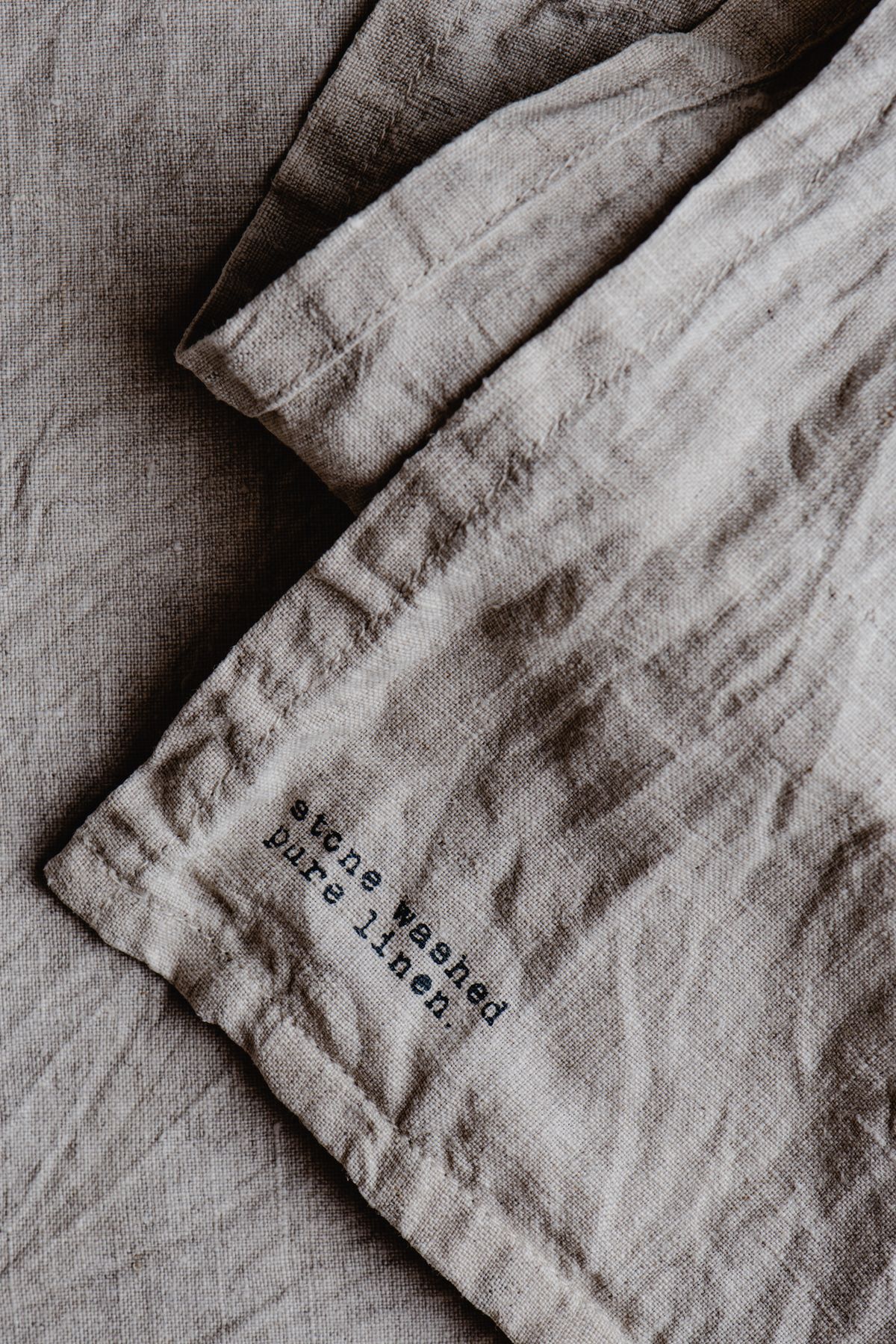
| Linen sheets | Highly breathable, wicks moisture, feels cool to the touch | Polyester / satin blends |
| Cotton (percale) | Crisp, airy weave that lets heat escape | Flannel & heavy weaves |
| Bamboo / Tencel | Soft, moisture-wicking, temperature-regulating | Memory-foam toppers that trap heat |
| Layered blanket + sheet | Adjust on the fly as a flash rises and passes | One thick, all-or-nothing duvet |
If your mattress itself sleeps hot — memory foam is a common culprit — a breathable or cooling mattress pad can help without the cost of replacing the whole bed. And if you share a bed, the "Scandinavian" trick of two separate single duvets lets you run cool while your partner stays cozy.
What should you wear to bed?
Loose, light, and moisture-wicking. Tight synthetics trap heat and hold sweat against your skin; the better options are natural fibers like cotton and bamboo, or technical wicking fabrics designed to pull moisture away. The point isn't more clothing or less — it's fabric that doesn't fight your body's attempts to cool down.
One small change that saved me a lot of misery: keep a dry spare top on the nightstand. When you wake damp, a ten-second change into something dry lets you fall back asleep instead of lying in cold, wet fabric for an hour. It's not glamorous, but neither is 3 a.m. laundry.
How should you set up airflow?
Moving air is your cheapest, most effective tool. A fan does two jobs at once: it physically cools your skin by speeding evaporation, and its steady hum blocks the noises that would otherwise wake you further. Point it toward the bed, or set up a cross-breeze between a fan and an open window.
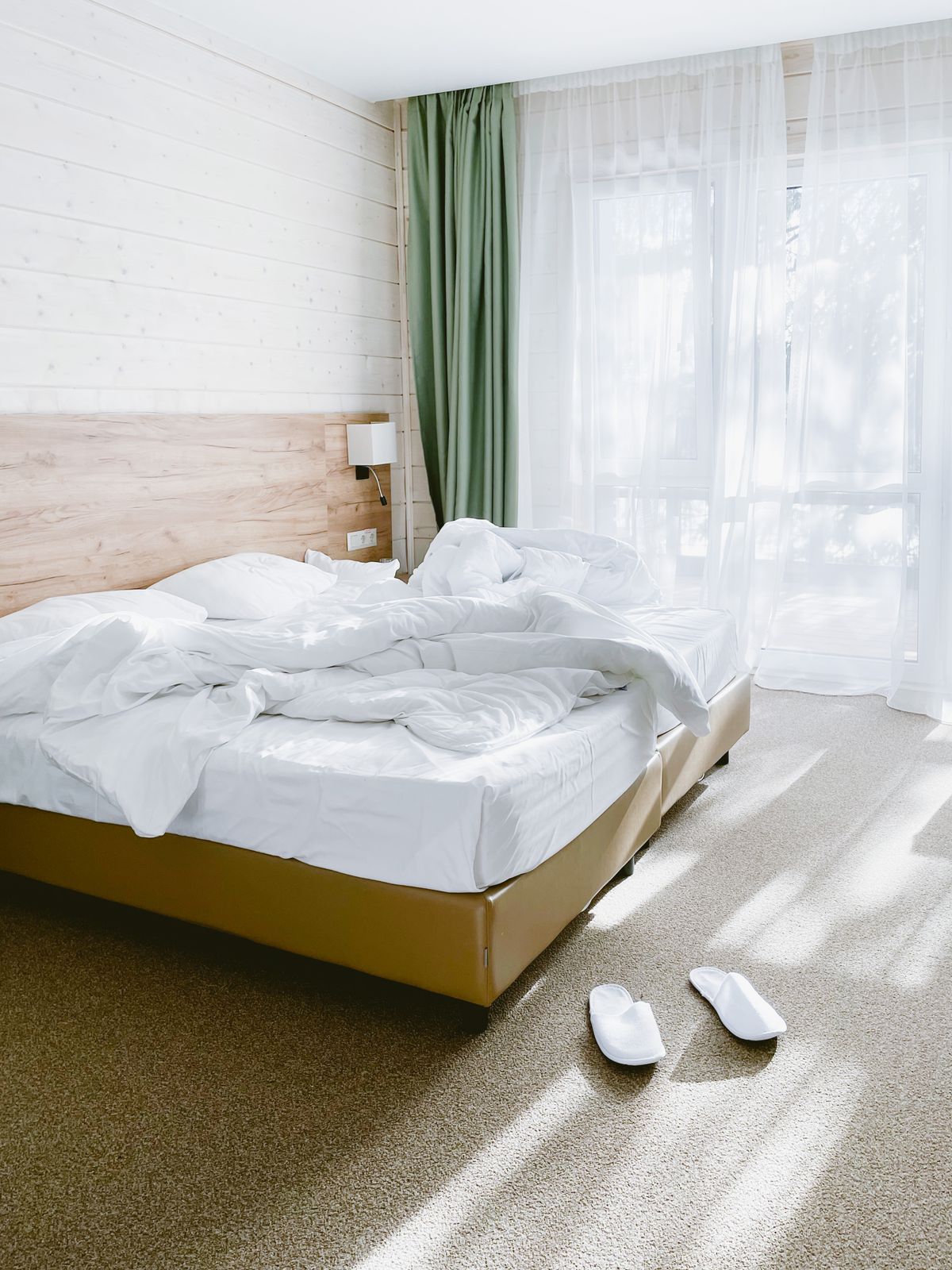
If you have air conditioning, use it — a programmed cool overnight is worth it during flash-heavy stretches. No AC? Stack the basics: fan on, window cracked for a cross-breeze, blackout curtains closed during the day to keep afternoon heat out, and a bowl of ice in front of the fan on the worst nights for a poor-woman's chiller.
What cools you down fast in the middle of a flash?
Go for your pulse points — the spots where blood runs close to the surface, so cooling them cools you quickly. A cold cloth or a cool glass held to your wrists, neck, or inner elbows takes the edge off a flash faster than fanning your whole body. Keep the tools within arm's reach so you're not hunting at 3 a.m.:
- Ice water on the nightstand — a sip cools you internally, and the cold glass works on your wrists.
- Flip the pillow to the cool side, and kick off a layer as the heat rises.
- A damp cloth or cooling pack in easy reach for your neck or forehead.
- Slow breathing — long, calm exhales settle the surge and the racing heart that rides along with it.
What daytime habits keep nights cooler?
What you do before bed shapes the night. A few evening triggers reliably make flashes worse, and trimming them stacks the odds in your favor — no single one is a villain, but together they add up:
- Ease off alcohol, spicy food, and caffeine in the hours before bed — all three can provoke flashes and fragment sleep.
- Take a warm (not hot) shower before bed. Counterintuitively, the drop in body temperature afterward helps you cool and drift off.
- Get into bed already cool — don't climb in overheated from a workout or a hot bath right beforehand.
- Stay hydrated through the day so a sweaty night doesn't leave you parched and wakeful.
You can't argue a hot flash out of happening. But you can meet it in a cool, dark, breezy room with ice water at your elbow — and that changes everything about how the rest of the night goes.
Do cooling mattress pads and gadgets actually work?
Some genuinely help; others are expensive placebos. The category worth knowing about is active cooling — water-based mattress pads and toppers that circulate cool water through the bed and let you set a temperature. In the middle of a flash-heavy stretch, many women find them the single most effective purchase they make, because they cool the surface you're actually lying on.
Below that, results get more modest. A "cooling" pillow or gel topper can take the edge off a hot pillow but won't rescue a warm room. Wearable cooling bracelets and sprays are hit-or-miss. My honest rule: spend on the things that change your core environment — a cool room, breathable bedding, moving air, and, if the budget allows, an active cooling pad — before chasing novelty gadgets. Start cheap, and only level up to the pricier tech if the basics aren't enough.
When cooling isn't enough
Environment tweaks reduce the damage, but they don't touch the hormonal source of the flashes. If night sweats are still dominating your nights despite a cool setup, that's worth a conversation with your doctor. The strongest treatment for vasomotor symptoms is hormone therapy — weigh it honestly in our look at whether HRT helps menopause insomnia — and there are non-hormonal medications too. Cooling and medical treatment aren't either-or; the coolest setup makes any treatment work better.
Where to go from here
Staying cool is one piece of a bigger picture. For the herbs, supplements, and non-hormonal remedies that pair with these cooling steps, see natural remedies for night sweats and insomnia. When a flash still wakes you fully, here's how to fall back asleep at 3 a.m. And for the whole map of midlife sleep — every cause and every fix — start with our complete perimenopause and menopause sleep guide.
Frequently asked questions
What is the best bedroom temperature for menopause sleep?
Sleep experts recommend around 65°F (18°C) for most adults, and cooler often helps when night sweats are the problem. Your core temperature naturally dips to let you fall asleep, so a cool room supports that drop. If 65 feels too cold, experiment down from wherever you are now — even a couple of degrees can reduce night waking.
What bedding keeps you coolest during menopause?
Natural, breathable fibers win: cotton, linen, bamboo, and Tencel wick moisture and let heat escape, while polyester and memory foam trap it. Use layers you can kick off rather than one heavy duvet, and consider a cooling mattress pad if your mattress sleeps hot. The goal is fabric that moves heat and sweat away from your skin.
What should I wear to bed to avoid night sweats?
Loose, lightweight sleepwear in moisture-wicking fabric — natural fibers like cotton or bamboo, or technical wicking fabrics made for sweat. Avoid tight synthetics that trap heat. Some women sleep better in as little as possible with layered bedding they can adjust. Keep a dry spare top nearby so a 3 a.m. change takes seconds.
How do I cool down fast during a hot flash at night?
Cool your pulse points — press a cold cloth or a glass of ice water to your wrists, neck, or inner elbows, where blood runs close to the skin. Flip your pillow to the cool side, kick off a layer, sip cold water, and let a fan hit your skin. Slow breathing also calms the surge faster than lying tense.
What makes night sweats worse?
Common triggers include alcohol, spicy food, caffeine, and large meals close to bedtime, plus a warm room and heavy synthetic bedding. Stress and being overheated when you get into bed also raise the odds. You won't control every flash, but trimming evening triggers and cooling your environment stacks the deck in your favor.
Sources cited
- Sleep Foundation. The Best Temperature for Sleep. sleepfoundation.org
- Cleveland Clinic. Hot flashes and night sweats: causes and cooling strategies. clevelandclinic.org
- The Menopause Society (NAMS). Managing hot flashes and night sweats. menopause.org
- National Institute on Aging (NIH). Hot flashes: what can I do? nia.nih.gov

Ellen Hayes
Health & Wellness Writer and Researcher
Hi — I'm Ellen. If you're reading this at some ungodly hour because your brain flipped on in the middle of the night and won't shut off… I get it. I'm right there with you. I'm somewhere in the middle of midlife, deep in perimenopause, and lately sleep and I have a complicated relationship.
I'm not a doctor. I'm not an expert — and I'm never going to talk down to you like one. I'm just a woman who got tired of vague answers ("it's just your age," "try to relax") and decided to actually read the research myself. Then I write it down here, in plain English, the way I'd explain it to a friend over coffee. More about Ellen →