Does Melatonin Work for Menopause Insomnia?

Melatonin can help menopause insomnia, but modestly — and only for the right problem. It's a timing signal, not a sedative, so it works best when your body clock has drifted (trouble falling asleep, waking too early) rather than hot-flash waking. Use a low dose, 0.3 to 1 mg, and don't expect a knockout.
Here's what nobody mentions at the pharmacy shelf: melatonin isn't a sleeping pill. I found that out the hard way. It was the first thing I reached for — everyone says "just take a melatonin" — so I swallowed two 10 mg gummies and spent the whole next morning underwater, foggy until lunch. Classic rookie move: a big dose of something I hadn't bothered to understand.
The truth sits in the unglamorous middle. Melatonin isn't a scam, and it isn't a miracle — it's a precise tool for one specific job. Once you know what that job is, you'll know whether it fits your version of menopausal sleeplessness, and how to take it without the morning hangover.
Does melatonin actually work for menopause insomnia?
Modestly — and only if it's the right problem. Melatonin is a timing signal that tells your brain "it's night," not a sedative that forces sleep. It helps most when your body clock has drifted: you can't fall asleep, or you surface hours too early. For hot-flash waking it does little, and even for everyday insomnia the evidence is mixed.
This is the piece almost every ad gets wrong. Melatonin doesn't knock you out the way a sleeping pill does. It gently nudges your internal clock, telling your body the sun has gone down and it's time to wind toward sleep. That's why it's genuinely useful for jet lag and for people whose sleep timing has shifted late — and less useful when the problem is a middle-of-the-night hot flash yanking you awake.
The specialists are cautious here, and that's worth knowing. The American Academy of Sleep Medicine gives melatonin only a weak recommendation for chronic insomnia, because the evidence for it as a nightly sleep aid is thin. That isn't a "never try it." It's a nudge to keep your hopes in check and treat melatonin as one cheap, low-stakes experiment — not the answer you've been waiting for.
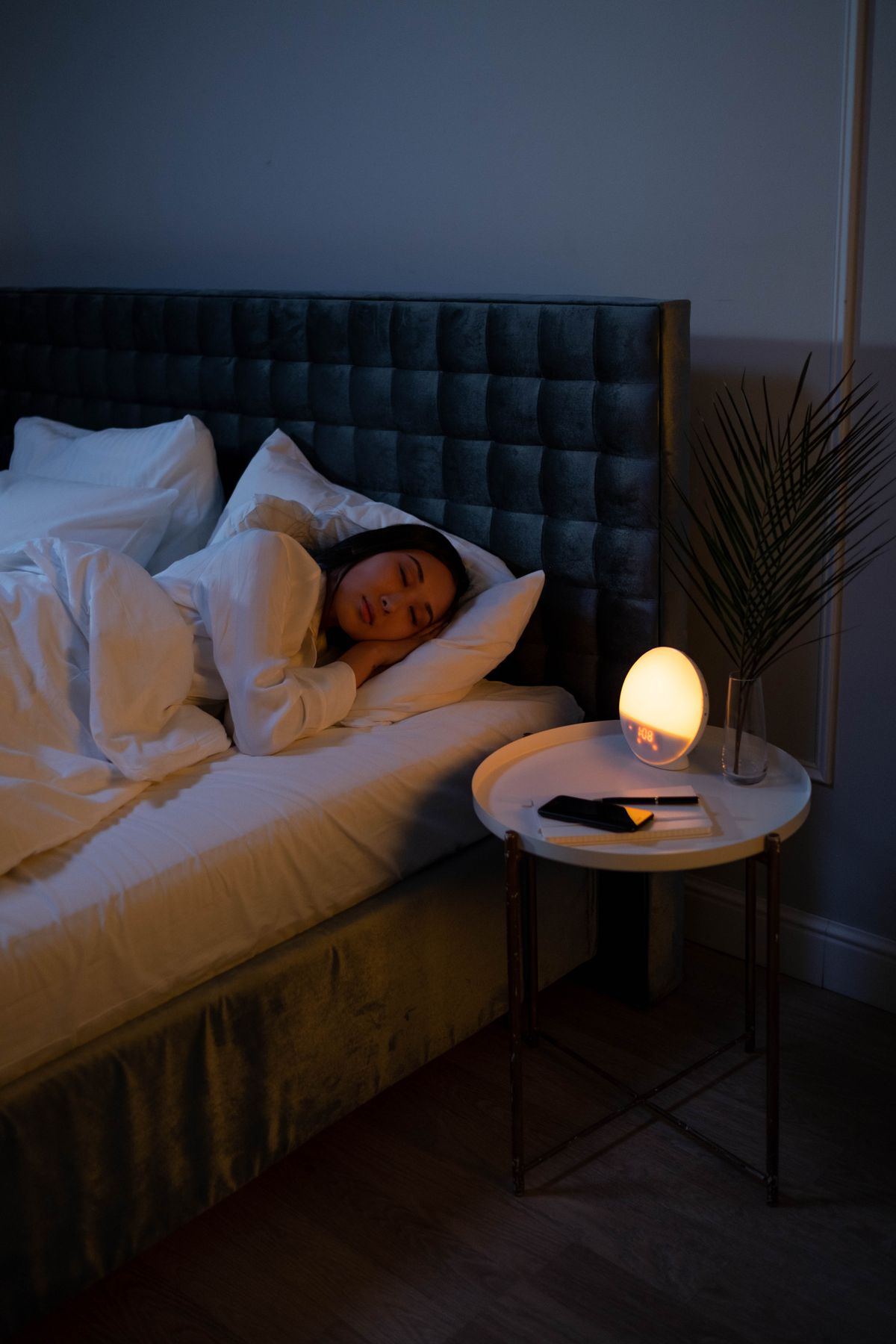
Why does melatonin matter more after 40?
Because you make less of it. Your body's natural melatonin production peaks in youth and declines steadily with age, so by your 40s and 50s you're often working with lower levels than you had at 30. That age-related drop is one honest, biological reason a small melatonin top-up can make sense in midlife.
Layer the menopause transition on top of that. Falling estrogen and progesterone disrupt the signals that help you fall and stay asleep, and shifting routines — later nights, more evening screen time, more stress — can push your body clock around. For some women, a low dose of melatonin at a consistent time helps re-anchor a clock that's lost its rhythm.
What's the right melatonin dose for menopause?
Lower than you think. A near-physiologic dose of 0.3 to 1 mg is often as effective as the 5 or 10 mg sold on shelves — and gentler. More melatonin doesn't mean more sleep; it mostly means more grogginess and vivid dreams the next day. Start low and only increase if a low dose truly does nothing.
| Dose | What it is | Verdict |
|---|---|---|
| 0.3–0.5 mg | Close to what your body makes | ✅ Best place to start — gentle, effective |
| 1 mg | Low therapeutic dose | 👍 Reasonable if 0.5 mg isn't enough |
| 3–5 mg | Common over-the-counter dose | ⚠️ Often too much; morning grogginess |
| 10 mg | High-dose gummies and tablets | ❌ Rarely needed; more side effects |
When should you take melatonin?
Timing is everything with melatonin, because it's a clock-setter. For ordinary trouble falling asleep, take it roughly 30 to 60 minutes before bed. If the problem is that your whole sleep window has drifted — nodding off too late or waking hours too early — the ideal timing is more individual and worth mapping with a clinician.
Two rules make or break it:
- Keep the lights low afterward. Bright light — including your phone — suppresses melatonin and cancels the dose you just took. Dim the room once you've taken it.
- Be consistent. Same small dose, same time each night. Melatonin re-anchors a rhythm, and rhythms are built by repetition, not by random rescue doses.
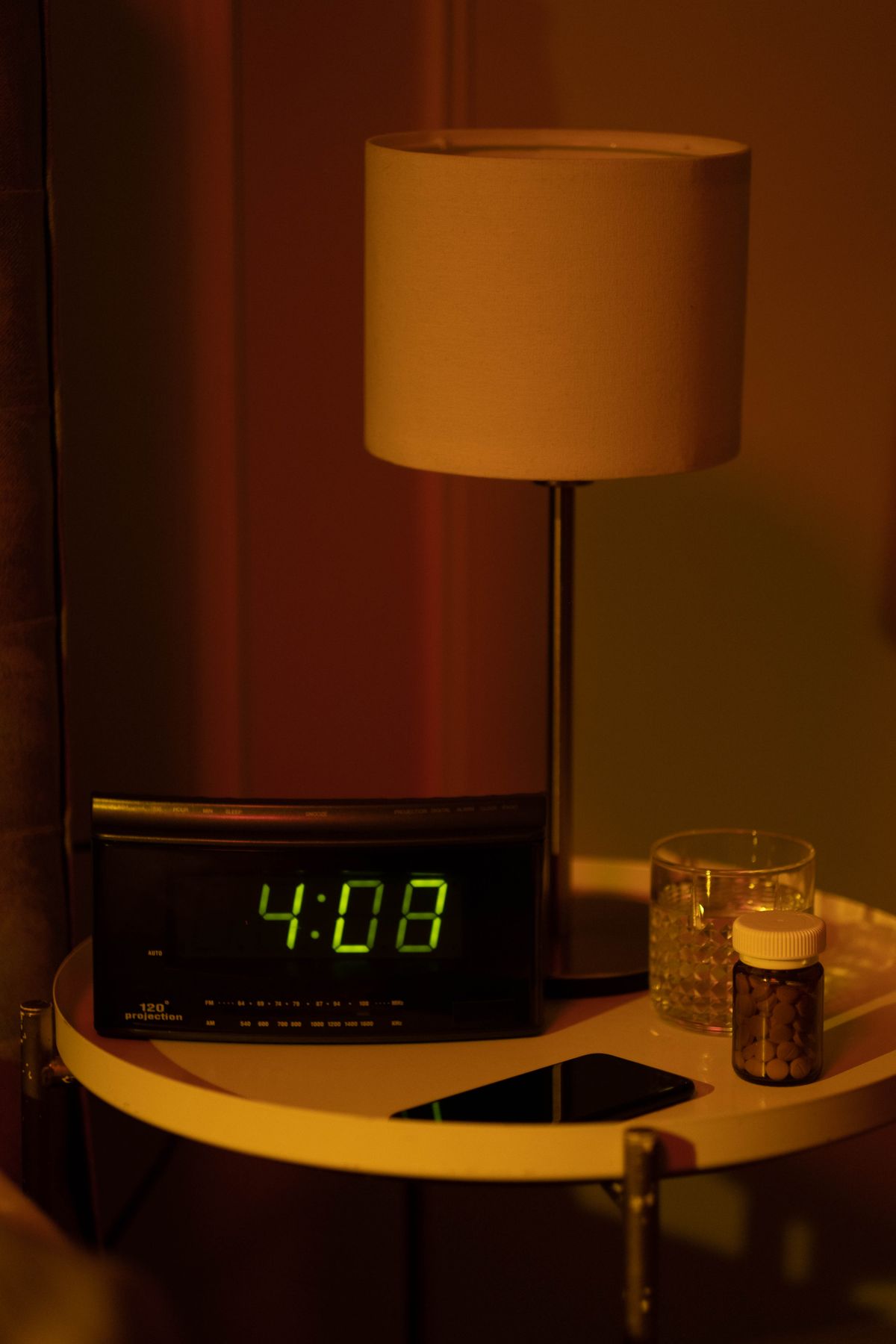
Melatonin is a clock, not a club. It nudges your body toward night; it doesn't knock you over the head.
Is melatonin safe? Side effects and the quality problem
For most healthy women, short-term melatonin is considered safe, and unlike prescription sleep drugs it isn't habit-forming. The trade-offs are real, though: grogginess, morning "hangover," headaches, and unusually vivid dreams, especially at high doses. Long-term nightly use simply hasn't been studied as thoroughly as we'd like.
None of this means melatonin is dangerous. It means it's a real substance with real effects, worth using thoughtfully rather than by the handful of gummies at midnight (which, yes, is what I did). When I first started, the two things I actually noticed were morning grogginess and a stubbornly dry mouth — both minor, and both eased once I cut right down to a low dose.
How do you know if melatonin is the right tool for you?
Melatonin is most likely to help if your problem is timing: you can't fall asleep until very late, your schedule has drifted, or you wake hours before you want to. It's least likely to help if hot flashes or a racing, anxious mind are what pull you awake — those need a different approach entirely.
A quick self-check. Melatonin is worth a try if you recognize yourself here:
- You lie awake a long time before sleep finally comes.
- Your body clock has shifted later — wired at midnight, foggy in the morning.
- You wake much earlier than you'd like and can't drift back.
- Your sleep got worse after travel, a schedule change, or a run of late nights.
It's probably not your answer if the main thing waking you is a hot flash, night sweats, or middle-of-the-night anxiety with a pounding heart. Those have their own fixes — cooling strategies, calming the nervous system, and sometimes hormone therapy — and no amount of melatonin will out-muscle a hot flash. Match the tool to the problem and you'll waste a lot less time, money, and hope.
Melatonin vs. magnesium: which should you try?
They solve different problems, so the better question is "which fits my sleep?" Melatonin is a timing signal — reach for it if your body clock has drifted. Magnesium is a calming mineral — reach for it if your nervous system feels wired and restless. Many women start with magnesium and add low-dose melatonin only if timing is the issue.
If your main struggle is a racing, won't-settle body and mind at bedtime, start with the calming route and read our guide to the best magnesium for sleep during menopause. If it's more that you simply can't get sleepy until 2 a.m., melatonin's timing effect is the more logical first experiment. They can even be combined, but do that with a clinician's okay rather than by stacking bottles.
Where to go from here
One pill was never going to fix a night with this many moving parts — melatonin is a single lever, so here's where the others are. Still piecing together why your sleep unraveled in the first place? Start with why you can't sleep at 45. If it's the middle-of-the-night wake-up that haunts you, pair this with how to fall back asleep at 3 a.m. And when you want the whole system in one place — light, temperature, CBT-I, hormone therapy — the complete perimenopause and menopause sleep guide ties it together.
Frequently asked questions
How much melatonin should I take for menopause insomnia?
Less than most bottles suggest. A low, near-physiologic dose of 0.3 to 1 mg is often as effective as the 5 or 10 mg sold over the counter, with fewer side effects. High doses are a common mistake — they can leave you groggy and cause vivid dreams. Start at 0.5 mg and only increase if needed.
When is the best time to take melatonin?
For trouble falling asleep, take it about 30 to 60 minutes before bed. If your body clock has drifted and you're waking far too early, timing gets more individual and is worth discussing with a clinician. Take it at the same time nightly, in dim light, since bright light cancels its effect.
Is it safe to take melatonin every night during menopause?
Short-term use is considered safe for most healthy women, and melatonin isn't habit-forming like prescription sleep drugs. Long-term nightly use is less well studied. Side effects can include grogginess, headache, and vivid dreams, and it interacts with blood thinners and other medications — so check with your doctor first.
Does melatonin help with hot flashes or night sweats?
Not directly. Melatonin is a timing signal for sleep, not a treatment for hot flashes. It may modestly improve overall sleep quality and mood in some women, but it won't stop the flashes that wake you. If night sweats are your main trigger, that's a conversation for a menopause-informed clinician.
Melatonin or magnesium — which is better for menopause sleep?
They do different jobs. Melatonin is a timing signal that helps if your body clock has drifted; magnesium is a calming mineral that helps a wired, restless nervous system relax. Neither is a cure. Many women try magnesium first for general restlessness and add low-dose melatonin only if timing is the problem.
Sources cited
- National Center for Complementary and Integrative Health (NCCIH). Melatonin: What You Need To Know. nccih.nih.gov
- American Academy of Sleep Medicine. Clinical Practice Guideline for the Pharmacologic Treatment of Chronic Insomnia. aasm.org
- Erland LAE, Saxena PK. Melatonin Natural Health Products and Supplements: Presence of Serotonin and Significant Variability of Melatonin Content. J Clin Sleep Med. 2017. jcsm.aasm.org
- Sleep Foundation. Melatonin Dosage: How Much Should You Take. sleepfoundation.org

Ellen Hayes
Health & Wellness Writer and Researcher
Hi — I'm Ellen. If you're reading this at some ungodly hour because your brain flipped on at 3 a.m. and won't shut off… I get it. I'm right there with you. I'm somewhere in the middle of midlife, deep in perimenopause, and lately sleep and I have a complicated relationship.
I'm not a doctor. I'm not an expert — and I'm never going to talk down to you like one. I'm just a woman who got tired of vague answers ("it's just your age," "try to relax") and decided to actually read the research myself. Then I write it down here, in plain English, the way I'd explain it to a friend over coffee. More about Ellen →